
At Loughlin Furniture, we believe good design doesn’t stop at the finished product — it extends into how we handle our materials, waste, and packaging. In our workshop, we’ve built systems that allow us to reuse, recycle, and repurpose materials wherever possible, reducing waste and giving materials a second life.
Here’s a transparent look at how we manage different materials in our day-to-day production.
What do we do with sawdust and timber waste?
When we manufacture using solid timber, we naturally produce offcuts and sawdust. Instead of sending this to landfill, we reuse it in a few practical ways.
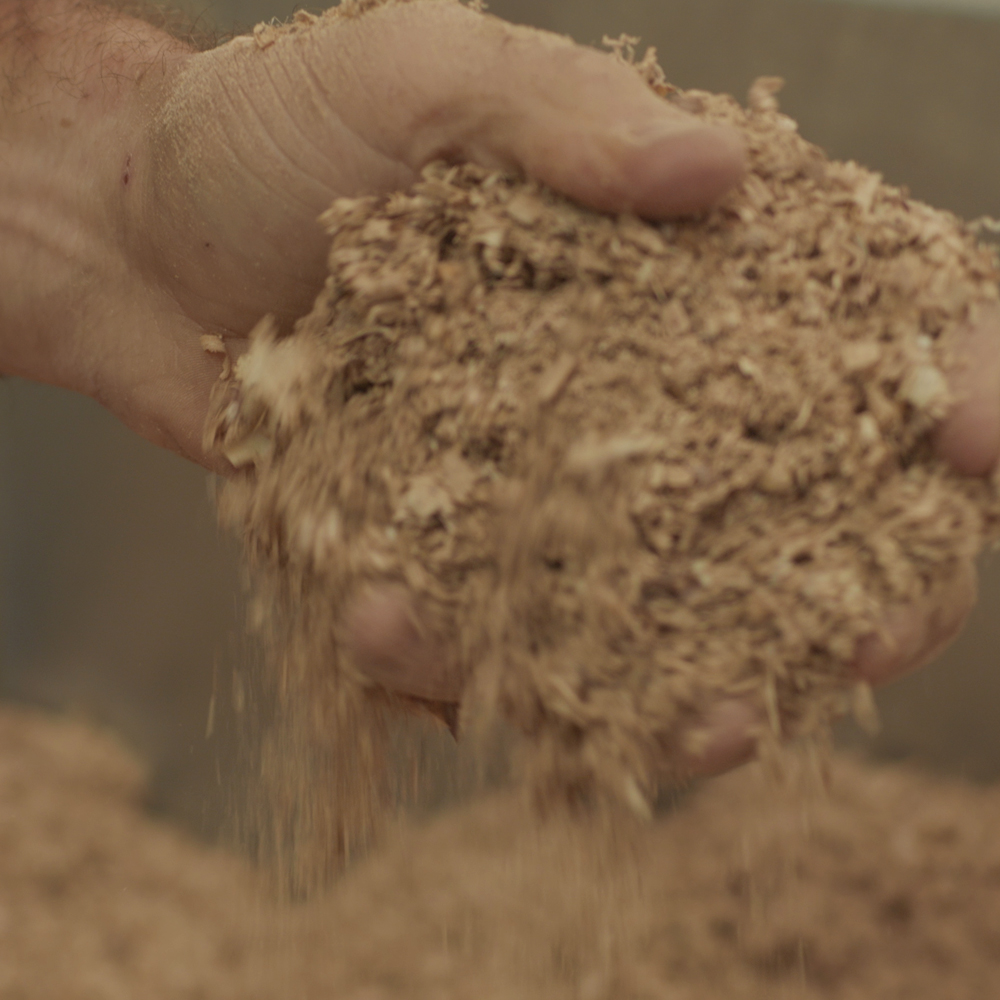
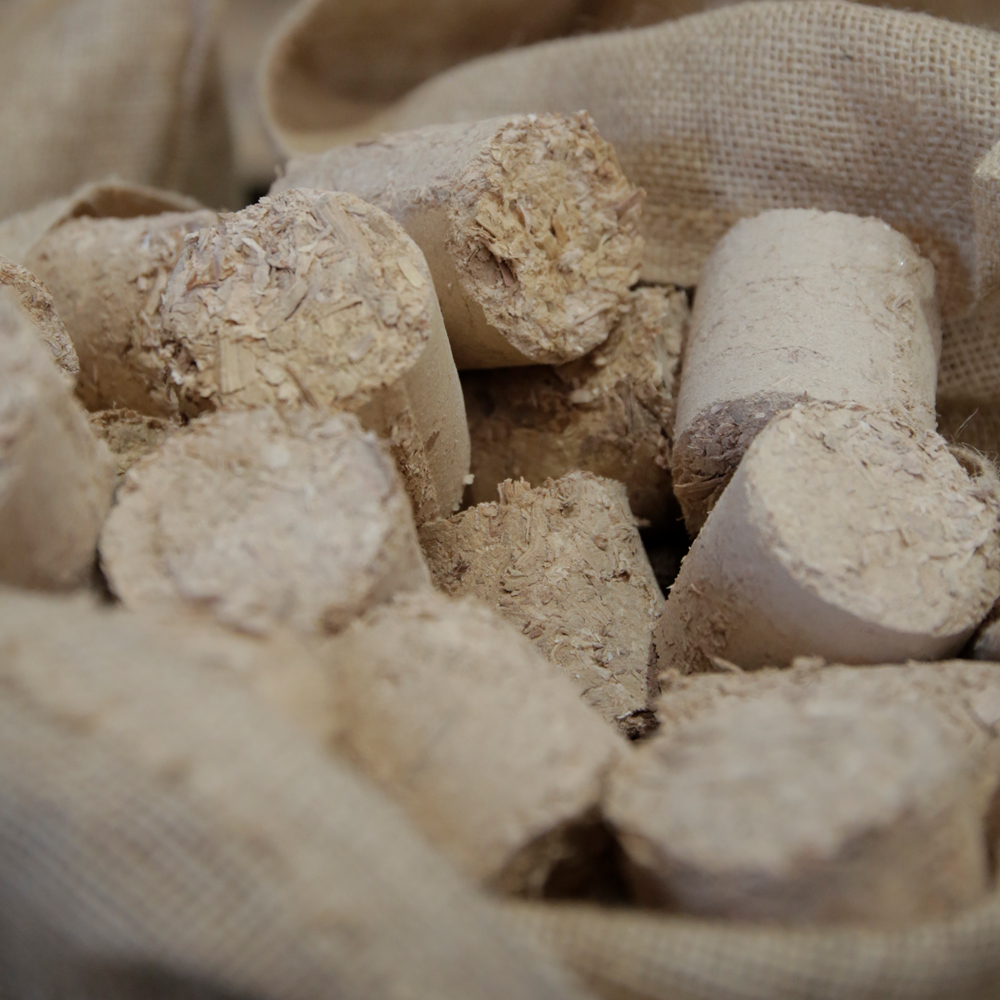
Sawdust is turned into fuel briquettes
Our sawdust is collected and processed through a briquette machine, which compresses it into dense fuel blocks.
These briquettes can be used as:
An efficient heat source
A clean-burning alternative to firewood
Coal cooking
This means even the smallest parts of our timber waste get a useful second life.
Timber offcuts are repurposed into products and samples
Smaller pieces of leftover timber from production are:
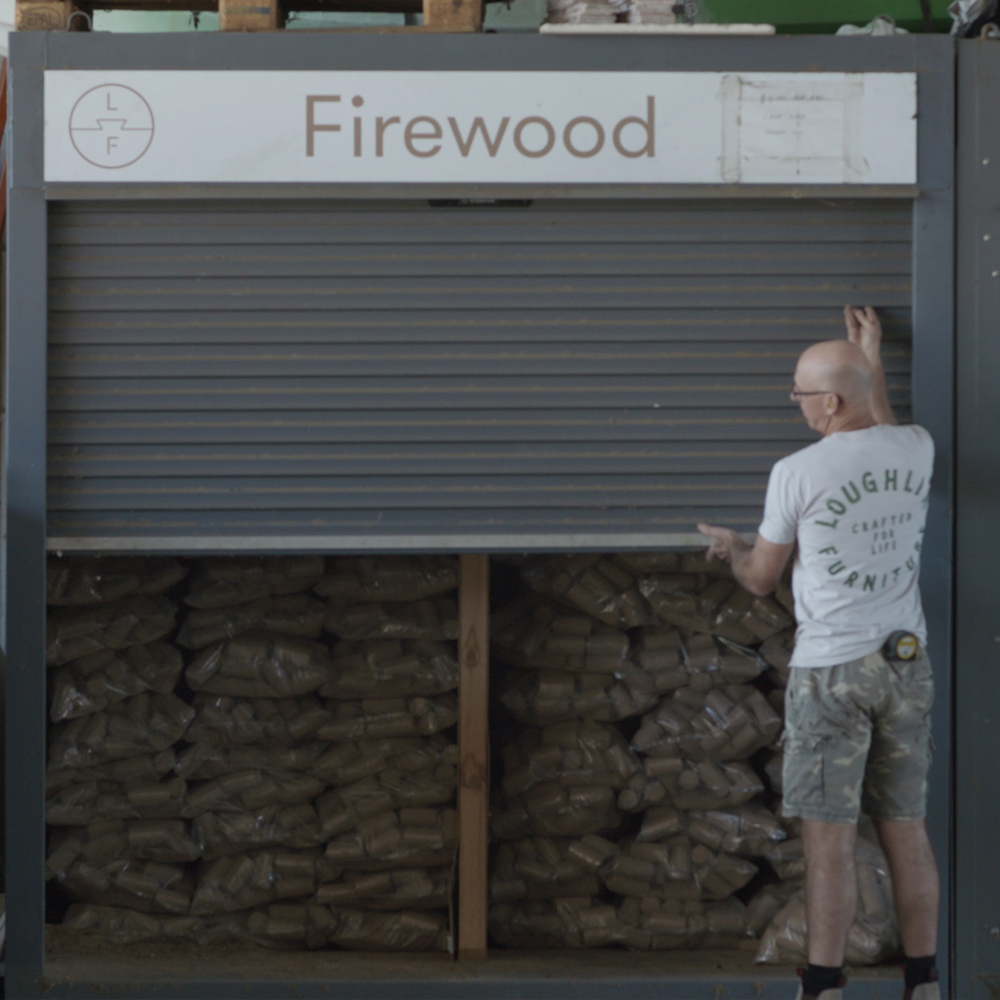
– Sold as kindling wood
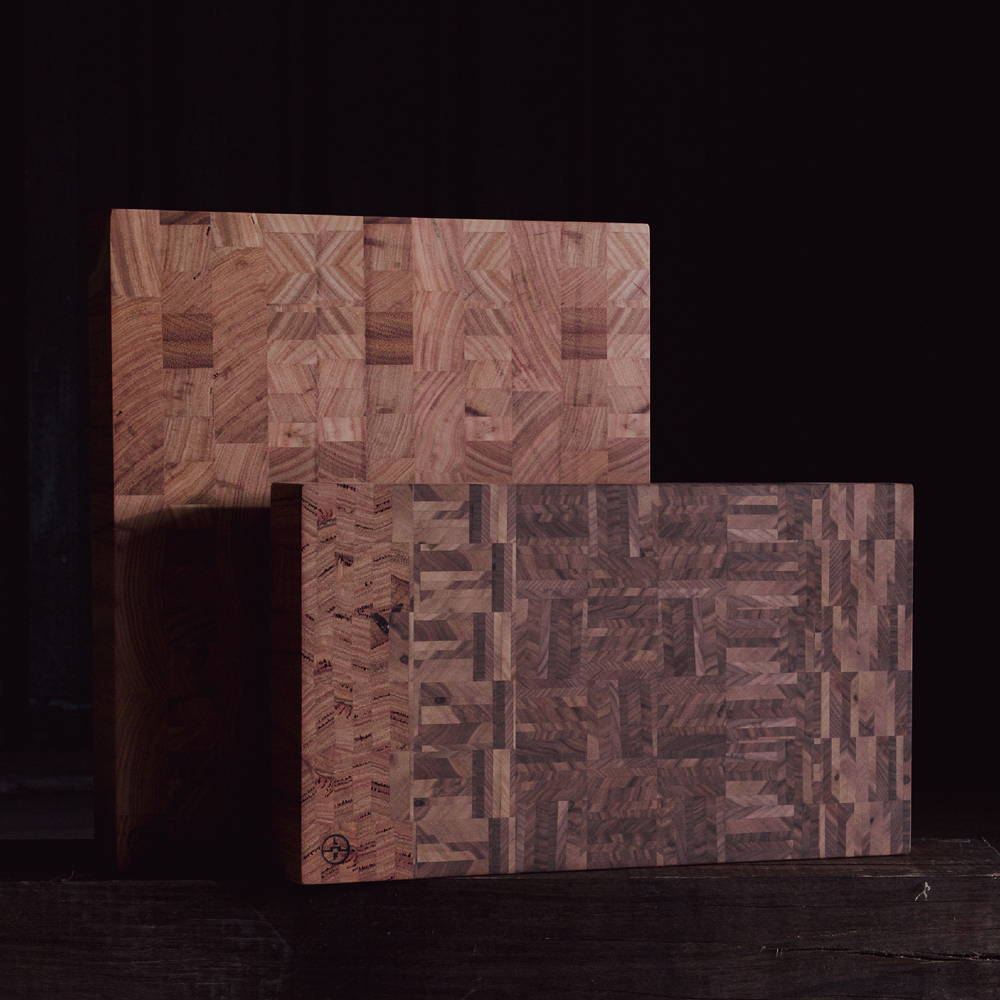
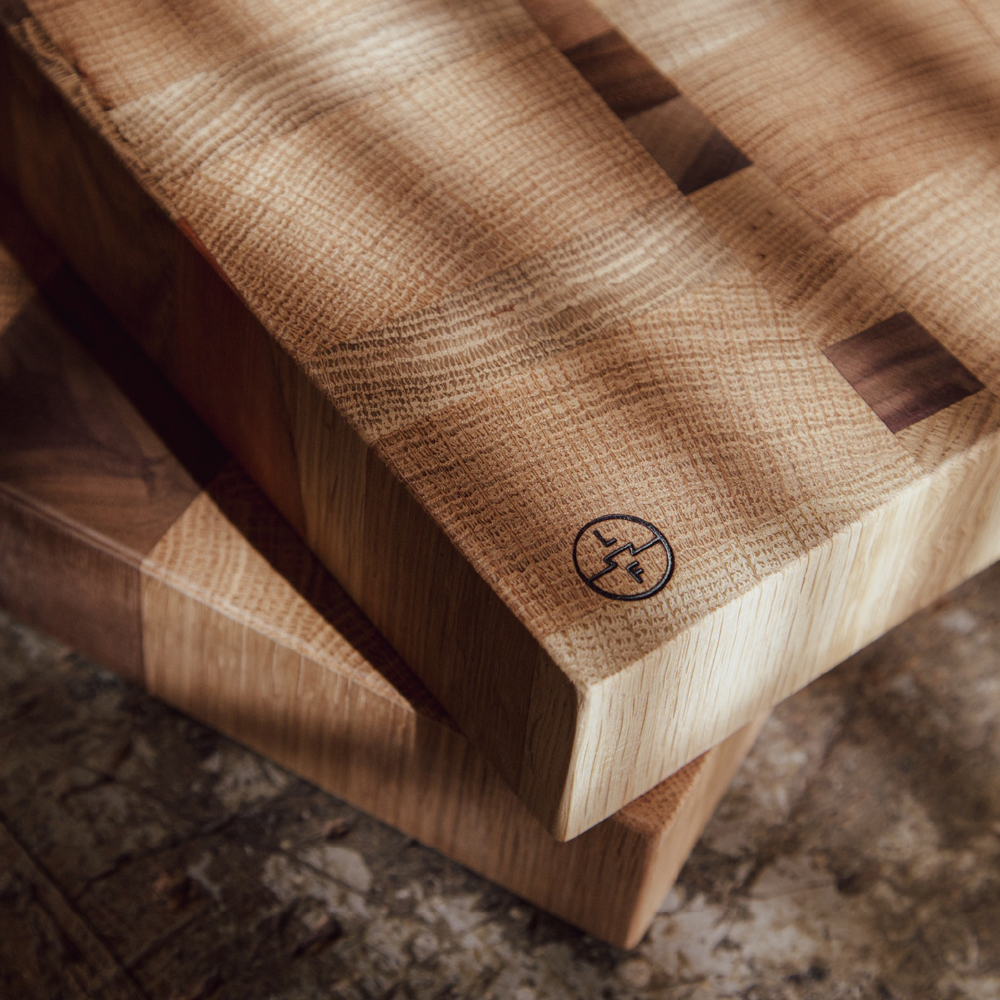
– Turned into bespoke chopping boards, which are finished and sold through our showroom and online store
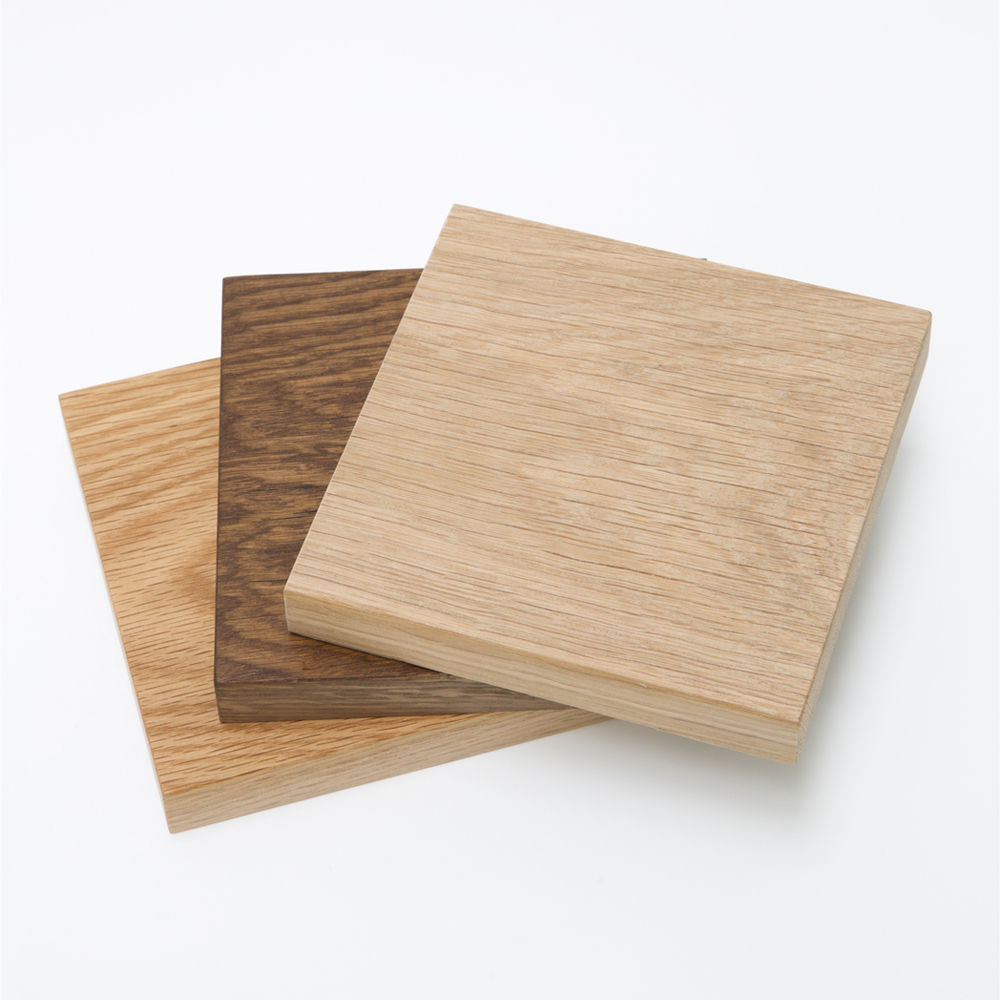
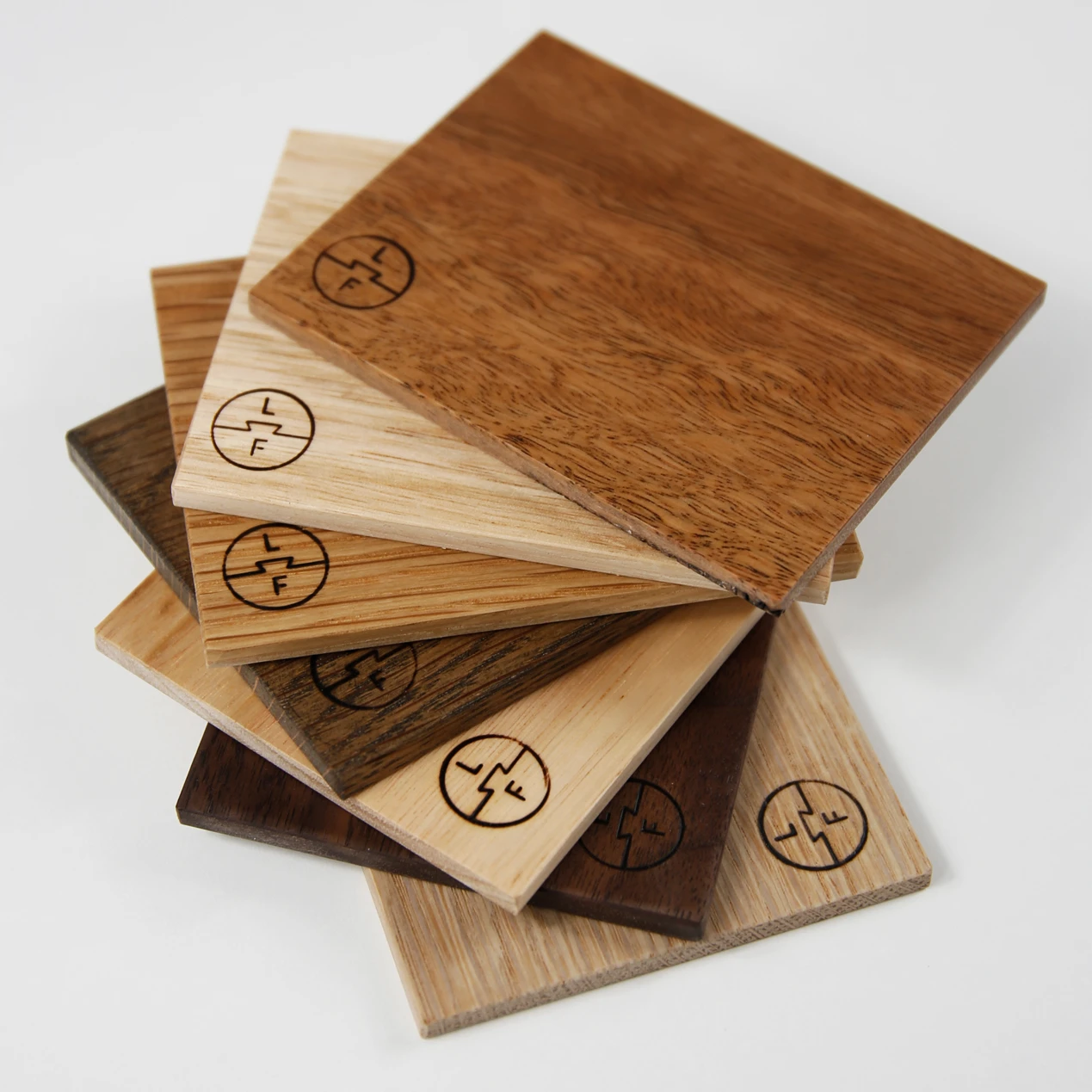
– Reused to create timber sample pieces, allowing clients to see and feel real timber and finish options when selecting materials for their project
– Used in small-scale workshop and creative projects
This ensures high-quality hardwood offcuts are not wasted and instead become functional, tangible products that continue their lifecycle.
Remaining timber and board offcuts are recycled through RE-DIRECT
Any remaining smaller timber offcuts and particle board materials that cannot be reused in production are collected and recycled through RE-DIRECT.
These materials are processed and re-manufactured into new particle board products, helping create a more circular production system and reducing landfill waste.
Is our packaging recyclable?
Yes — our packaging materials are designed with recycling in mind.
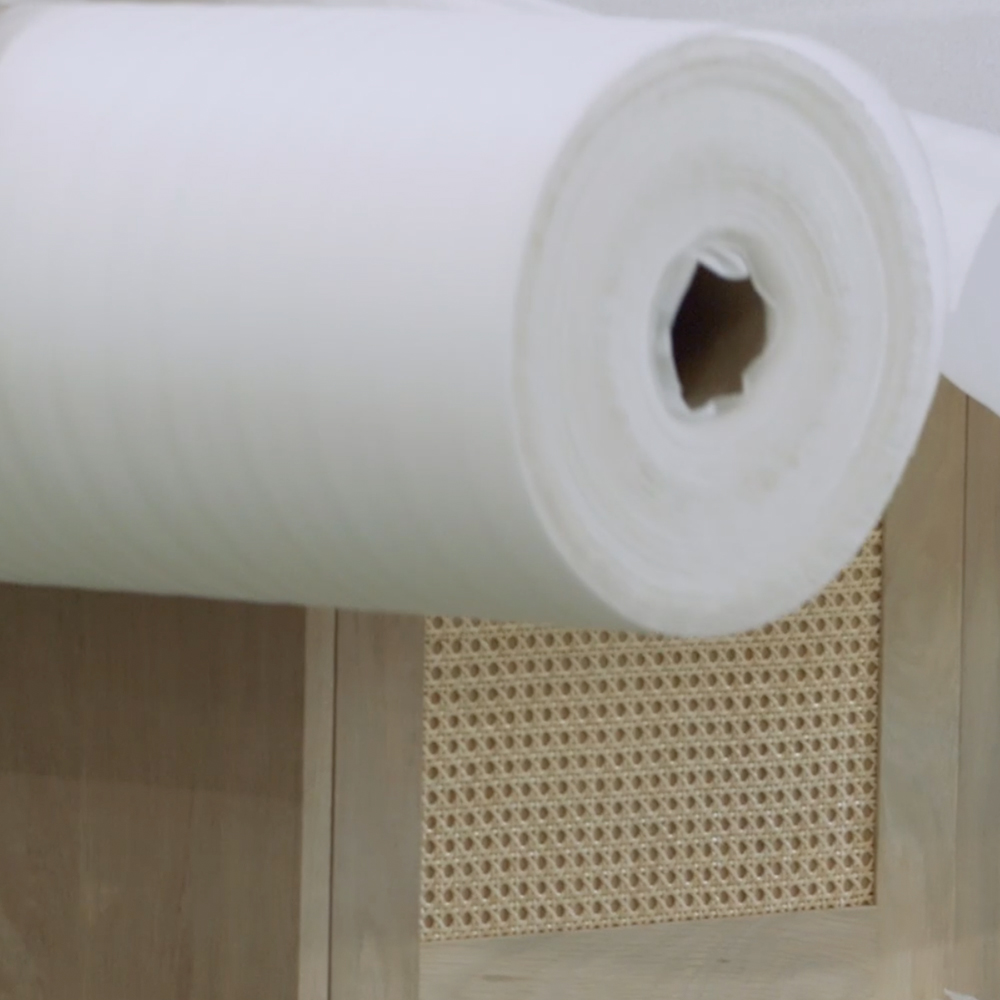
Foam packaging (EPE Foam)
We use EPE foam (Expanded Polyethylene foam) to protect furniture during transport.
Made from polyethylene plastic
Classified as LDPE plastic (Recycle Code #4)
100% recyclable when processed correctly
How to recycle it:
EPE foam is not usually accepted loose in standard household recycling bins. Instead, it should be:
Placed into approved soft plastics recycling programs (where available)
Kept clean and dry
Taken to participating collection points or recycling schemes
In many NSW council areas, soft plastics can also be disposed of through programs such as Curby — however we always recommend checking with your local council for current guidelines.
Pallet wrap and stretch film
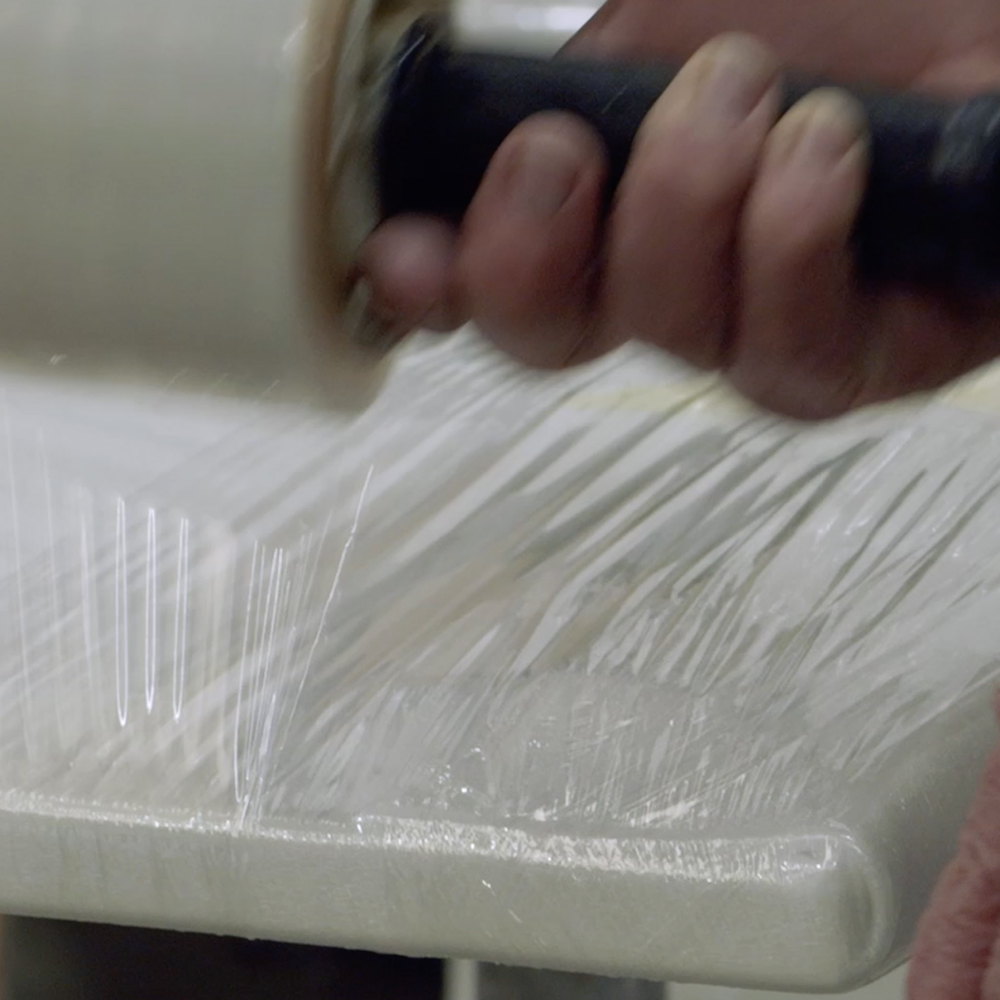
Our pallet wrap is made from LDPE plastic (Recycle Code #4).
This material is:
Fully recyclable
Commonly accepted through soft plastics recycling programs
Able to be reprocessed into reusable plastic resins
When recycled correctly, it can be turned into new packaging materials or plastic products like bins, pipes, and containers
What happens to our board offcuts?
We also use engineered board materials in parts of our manufacturing process.
Instead of discarding excess material, offcuts are recycled through RE-DIRECT
The material is reprocessed and used to manufacture new board. This supports a closed-loop recycling system, where materials are continuously recovered and reused rather than sent to landfill.
Why this matters to us
We don’t see sustainability as a trend — it’s part of how we operate every day.
By reusing timber, recycling packaging, and working with suppliers who recover materials, we are able to:
Reduce landfill waste
Lower our environmental footprint
Make better use of natural resources
Build a more responsible manufacturing process
If you’re wondering how our workshop approaches waste, it’s this:
If we can reuse it, we do.
If we can recycle it, we send it to the right place.
If we can turn it into something new, we build it.


